Cyber Threat Intelligence, or CTI, is a cybersecurity discipline involving the collection, analysis, and often sharing of information about digital threats. This information varies widely, from details of recent attacks and intrusion techniques to information about specific threat actor groups and their motivations. CTI aims to reduce cyber risk - providing decision-makers with accurate, relevant information they can use to protect their organizations against cyber threats.
As threats become more complex, companies need to be ready for increasingly sophisticated attacks and tactics. CTI helps identify and understand threats and how to counter them, which is essential for developing effective security strategies. CTI also keeps companies informed of the latest trends so they can protect themselves against new threats as they emerge.
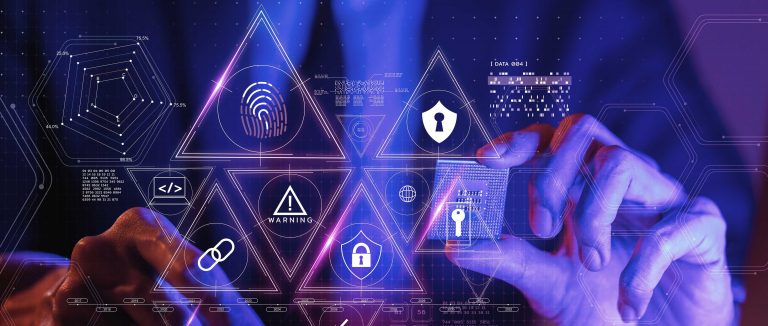
CTI involves several approaches. One is threat analysis, which consists of collecting data from various sources, such as security reports, threat bulletins, and incident reports. These data are analyzed to identify patterns and trends, enabling companies to identify potential threats and take the necessary security measures.
Another approach is proactive threat intelligence, which involves actively seeking information about threats. This can include monitoring cybercriminal forums, malware marketplaces, and other sources of cybercrime-related information. The main advantage of this approach is that it enables companies to identify threats before they become widespread, increasing their chances of adapting and improving their defenses, preparing defenses and countermeasures ahead of attacks, and preventing potential incidents - mitigating risk.
Artificial intelligence and machine learning are also used to automate threat data collection and analysis - helping process large volumes of information to identify patterns and trends quickly and accurately.
CTI is essential for companies to develop increasingly effective security strategies. With accurate information about the threats they face, they can develop specific security measures to counter them, increasing their chances of success and reducing the risk of suffering an attack. Another benefit is that CTI helps companies identify weaknesses in their networks and systems - essential for remediating security flaws and preventing cyberattacks.

Another reason CTI is important for companies is that it helps mitigate financial risks associated with incidents. Cyberattacks can cause significant harm to companies, including loss of confidential data, business disruption, and reputational damage. Applying CTI therefore helps identify and prevent cyberattacks before they happen.
Broadly speaking, Cyber Threat Intelligence is a crucial tool for protecting companies against cyber threats and reducing their risk levels. It enables companies to proactively identify and understand the threats they face, with the goal of developing more effective security strategies and mitigating all risks associated with these incidents.