Deepfake technology uses artificial intelligence to create or manipulate audio or audiovisual content - mainly videos. Cybercriminals increasingly use this technique to carry out cyberattacks. The technology can swap people's faces in videos, synchronize lip movements, expressions and other details, producing impressively convincing results. This manipulation can create false narratives, introducing new risks to society.
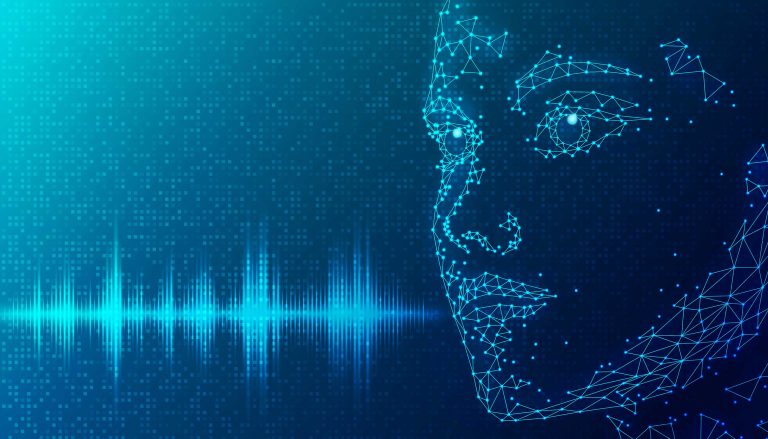
The main threats include spreading disinformation to manipulate opinion toward a desired outcome, such as a particular election outcome; and attacks against individuals or companies for financial gain. The societal threat is that entire populations could have their views and opinions influenced by disinformation campaigns that distort the facts. For organizations, deepfakes can increase the effectiveness of phishing attacks and BEC (business email compromise - targeted attacks), make impersonation easier and manipulate a company's reputation.
How does the technology work?
Using AI, machine learning, and open-source tools, an algorithm can be created to train a neural network to map a person's face and, from there, replace facial movements, facial expressions, and even the entire face, on another person's body. As with all machine learning, the amount of data available for training is decisive - the larger the dataset, the more accurate the algorithm.
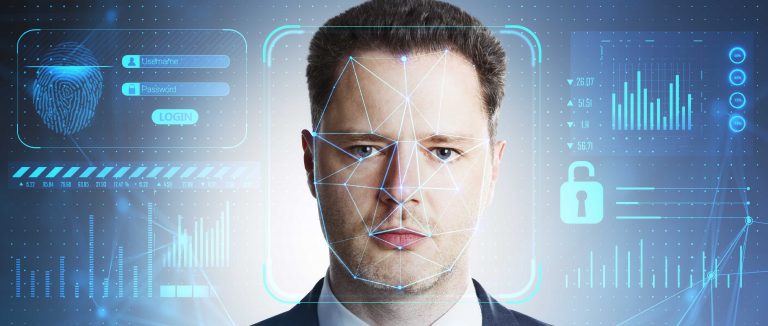
Manipulating audiovisual content is nothing new, but the technology is becoming more sophisticated, making it increasingly difficult to distinguish what is real and what is not. Deepfake tools no longer rely on manual editing as they once did. Today, for example, AI can recognize a victim's facial model, map someone else's facial structure, and overlay them, producing an automatically adjusted video that transfers the original movements to another person's model, creating a realistic replica.
What are the risks?
Cyberattacks using deepfakes can be carried out in real time and through recordings - transmitted through social media, instant messaging platforms, email, and other channels. In real time, a criminal can gain unauthorized access to a voice or video call and impersonate someone else - often someone with a leadership position - to request money transfers or obtain confidential information.
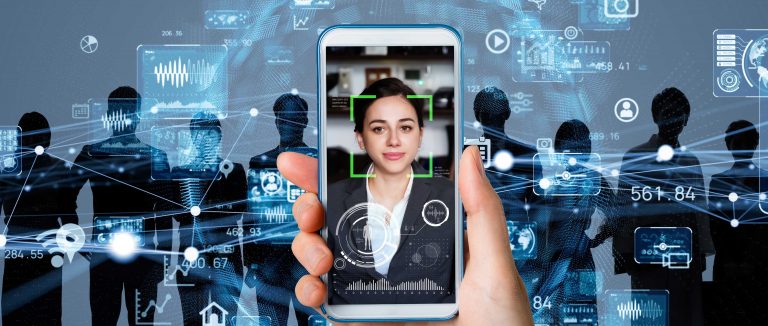
Although creating a realistic deepfake requires some technical skill, criminal organizations already sell tools under the “cybercrime as a service” model.
Cybersecurity in organizations must evolve and adapt to address new threats such as attacks using deepfakes. Ongoing employee training is essential to raise awareness and prevent potential targeted attacks. Although these new threats are becoming increasingly realistic, some characteristics can be identified with a closer look. Enabling employees to recognize fake video or audio is the primary way to prevent an incident.
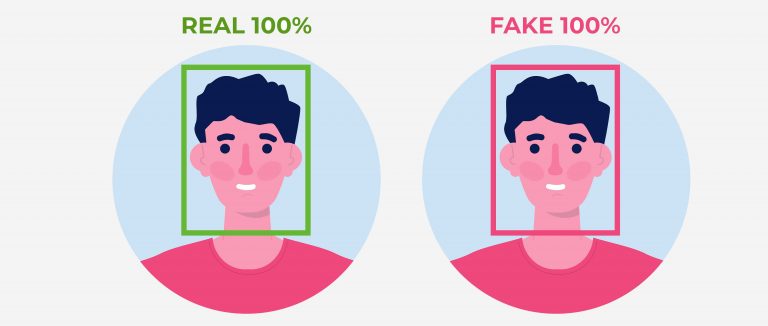
Vultus provides employee training and simulated phishing campaigns to assess the risk of employees falling for scams that could cause data leaks or breaches, for example. We monitor clicks on links and the opening of potentially malicious attachments, and develop reports and awareness campaigns. Vultus goes further: using the insights and results of a phishing campaign tailored to your business, we assess the impact and potential damage a phishing attack could cause.